A patio is only as good as what’s under it. Shortcuts on the base don’t show on day one, but they show in year three: dips, rocking stones, joints that open up every spring. Connecticut doesn’t stay frozen all winter. It freezes and thaws dozens of times, and every cycle works on any water that has got into the base or the joints.
So we dig below the topsoil and build an 8–12″ compacted base in thin layers before any stone goes down. On clay, low ground or anywhere near a downspout, we go deeper and plan where the water will go.
What we build
Bluestone terraces
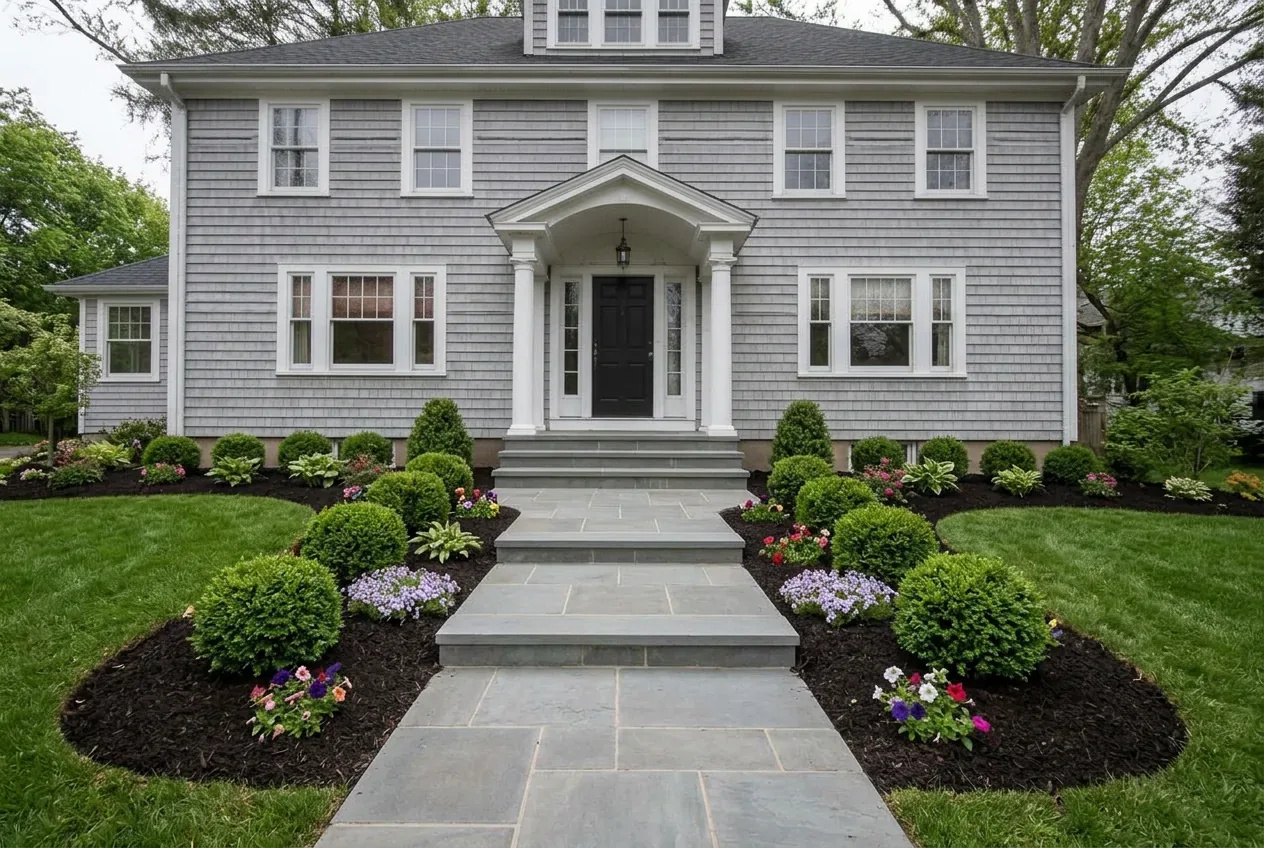
Bluestone is a natural sandstone with two common finishes. Thermal bluestone has a flat, even face and consistent thickness, which makes it the safer choice for formal walks and shaded patios. Natural cleft has the split, slightly wavy face the stone came out of the ground with. It looks beautiful in sun, but it holds moisture and gets slick under heavy shade. Laid with the right slope so water runs off, good bluestone lasts for decades.
Paver patios
Premium concrete pavers lock together over a compacted gravel base, with polymeric sand in the joints to hold them in place and cut down on weeds. Because the system flexes a little, frost movement doesn’t crack anything. For a big family patio with heavy use, pavers are often the practical choice. When a paver patio fails, the cause is almost always a base that was too thin or wasn’t compacted in layers.
Stone steps and landings
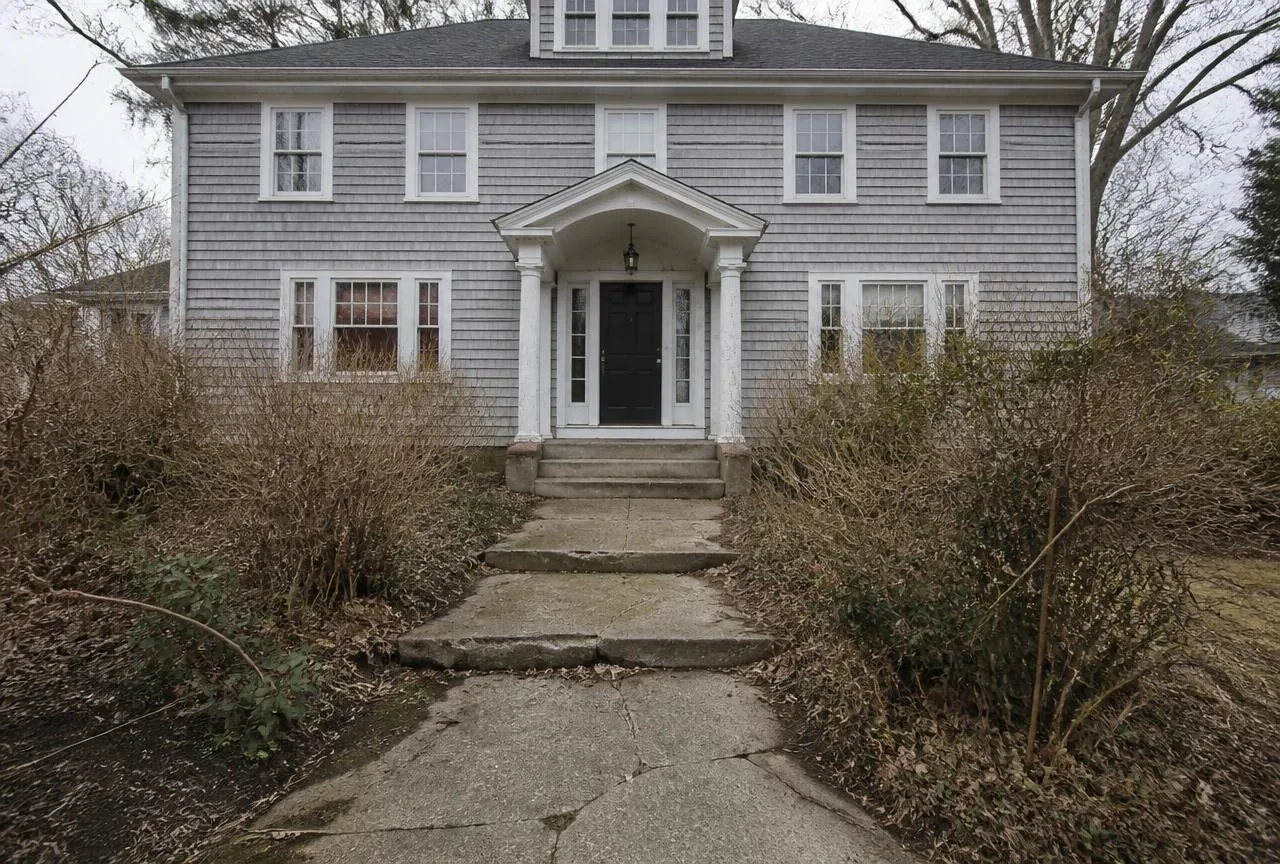
Steps are where frost does the most visible damage. One tread lifts a half inch more than the next and people start catching their toes. We set treads and risers on the same deep base as the patio, keep every rise even, and slope each tread so water runs off instead of sitting and freezing.
Pool surrounds
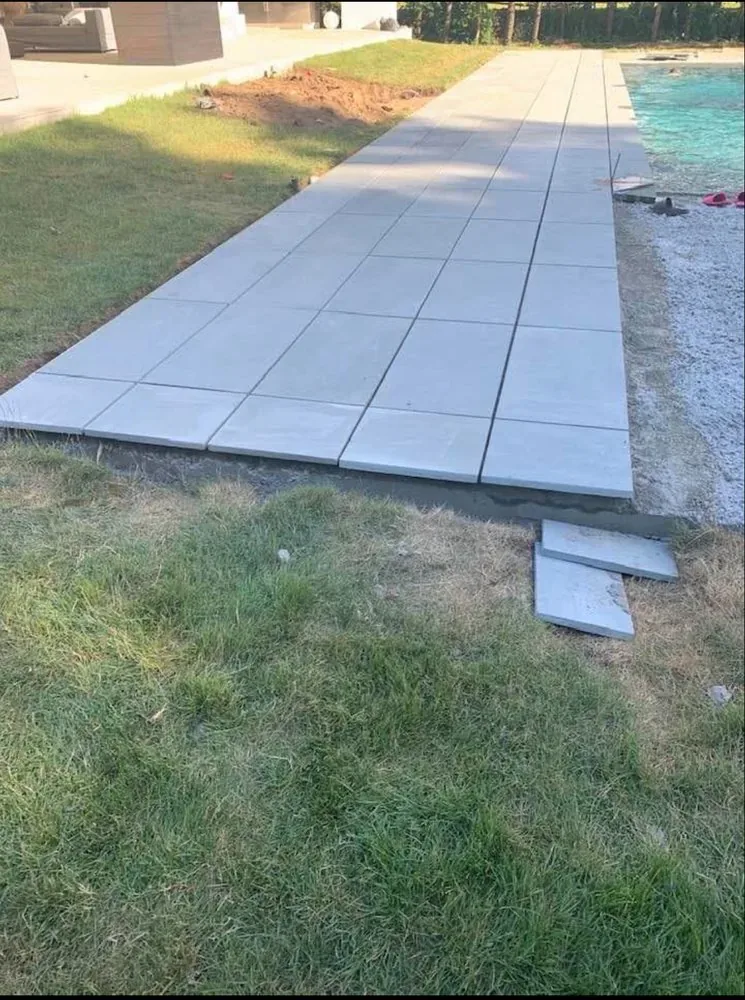
Dark bluestone in full afternoon sun gets too hot for bare feet. Around a pool that faces south or west with no shade, we usually point people toward a lighter paver or a light-toned stone. Large-format bluestone planks give a clean, modern edge when the exposure allows it.
What sets the price
Most Fairfield County stone patios land between $28–$55 per square foot. Four things move a patio within that range:
- Stone. The material you choose and how it is cut.
- Base depth. How far down we dig and compact before any stone goes on.
- Grading. How much the ground has to be reshaped so water runs away.
- Access. How easily machines and pallets can reach the spot.
Whatever the number, you get one fixed written price after the site walk, with allowances spelled out. No hourly surprises.
Built to drain
A patio should fall about 1/8 to 1/4 inch per foot away from the house. Too flat and puddles sit on it, turning into ice patches every January and speeding up flaking on bluestone. Where a patio sits next to a downspout or at the bottom of a slope, we deal with that water as part of the job, with a drain, a dry well or regrading as the site needs.
Caring for a new patio
- Skip de-icers entirely the first winter if you can. After that, use calcium magnesium acetate or sand rather than rock salt, which speeds up flaking on bluestone and wears the surface of pavers.
- Top up joint sand in spring if storms and shoveling have washed some out.
- A white haze in the first season is usually efflorescence, a natural mineral bloom that tends to fade on its own.
Our spring checklist covers what to look for each year.
How a patio job runs
A foreman walks the site with you, measures, checks grades and listens to how you use the yard. You get layout drawings, material samples and one fixed written proposal, usually within 3 business days. The same crew builds it, cleans up every night and walks the finished patio with you. Hardscape and masonry carry our 2-year workmanship warranty, plus the manufacturer’s warranty on pavers.
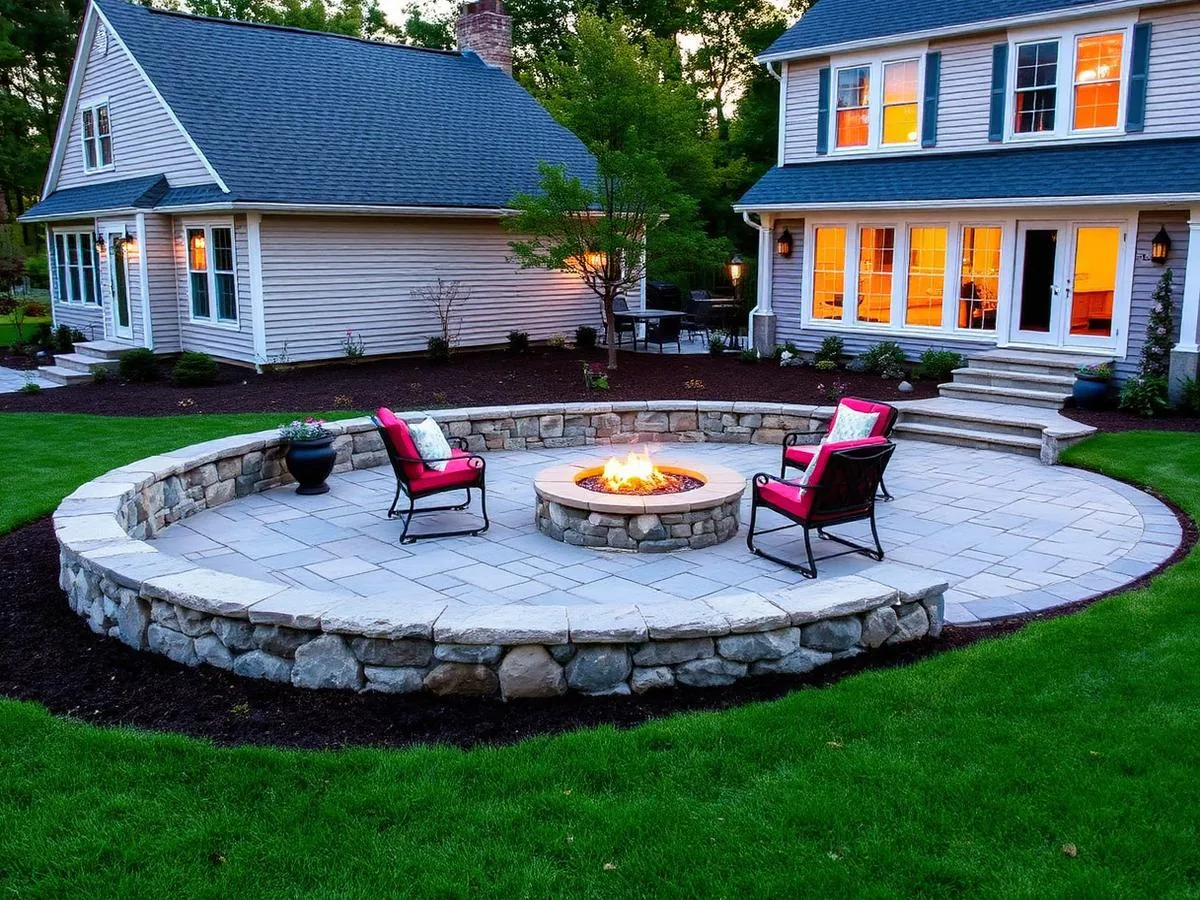
Patios often come with other work. We build the seat and retaining walls around them, the fire pits and kitchens on them, and the lighting that lets you use them after dark.